The aluminum industry has seen remarkable advancements over the years, with extrusion techniques evolving to meet the increasing demands of various sectors. Extal, a leader in aluminum extrusion, has been instrumental in pioneering these advancements, ensuring that their products not only meet but exceed industry standards. This article explores the journey of aluminum extrusion, with a focus on Extal’s contributions to the field through their cutting-edge technologies and innovative approaches.
Historical Background
Aluminum extrusion began in the early 19th century, with the first patent granted in 1820. Initially, the process was manual and relied on basic machinery. As industrialization progressed, the demand for lightweight and durable materials surged, prompting innovations in extrusion technology. The 20th century marked a significant turning point with the introduction of hydraulic presses and more sophisticated die designs, which allowed for high-volume production and intricate profiles.
Modern Extrusion Techniques
Today, aluminum extrusion is characterized by precision, efficiency, and versatility. Modern techniques have revolutionized the industry, enabling the production of complex shapes with tight tolerances and excellent surface finishes. Some of the key advancements include:
Advanced Extrusion Technology: At the heart of aluminum extrusion is the process where aluminum billets are forced through a die under immense pressure to create specific profiles. This method allows for the production of highly intricate shapes that are used in a wide range of applications, from automotive components to architectural structures.
Hot and Cold Extrusion: Depending on the material properties required, hot extrusion is used for more ductile products, while cold extrusion offers superior dimensional accuracy and surface quality.
Multi-Hole Dies: These dies allow for the simultaneous extrusion of multiple profiles, increasing productivity and reducing material waste.
3D Printing and Additive Manufacturing: The integration of 3D printing technology with extrusion processes has opened new avenues for creating custom, high-performance components with intricate geometries.
Extal’s Technological Edge
Extal has continuously invested in state-of-the-art technologies to enhance its production capabilities. Their approach centers around innovation, quality, and sustainability, ensuring that each product meets the highest industry standards. Extal’s technological edge includes:
Advanced Presses and Dies: Extal utilizes the latest hydraulic presses and multi-hole dies to achieve high precision and efficiency in extrusion. These advanced machines enable the production of complex profiles with exceptional accuracy.
Sustainable Practices: Committed to green building principles, Extal employs eco-friendly methods and materials in its production processes. This not only supports environmental sustainability but also meets the growing demand for green construction materials.
Customization and Flexibility: Extal’s engineering team collaborates closely with clients to develop tailor-made solutions that address specific needs and challenges. This customization ensures that each product is optimized for its intended application.
Quality Control: Rigorous quality assurance protocols are in place to ensure that every product adheres to international standards, providing reliability and performance across various applications.
How Extal Implements Advanced Techniques
Extal applies its advanced extrusion techniques to create products that deliver substantial value to its customers. Here’s how Extal’s implementation of these techniques translates into tangible benefits:
Automotive Industry: Extal’s low crush profiles (T1) provide a lightweight yet strong solution for manufacturers of heavy industry vehicles such as trains, buses, and trucks. This results in vehicles that are more fuel-efficient, have reduced emissions, and maintain high safety standards.
Defense Industry: The defense sector requires materials that can withstand extreme conditions. Extal’s aluminum systems are engineered to provide unmatched strength and reliability, making them ideal for armored vehicles and precision munitions. This ensures the durability and performance needed in critical defense applications.
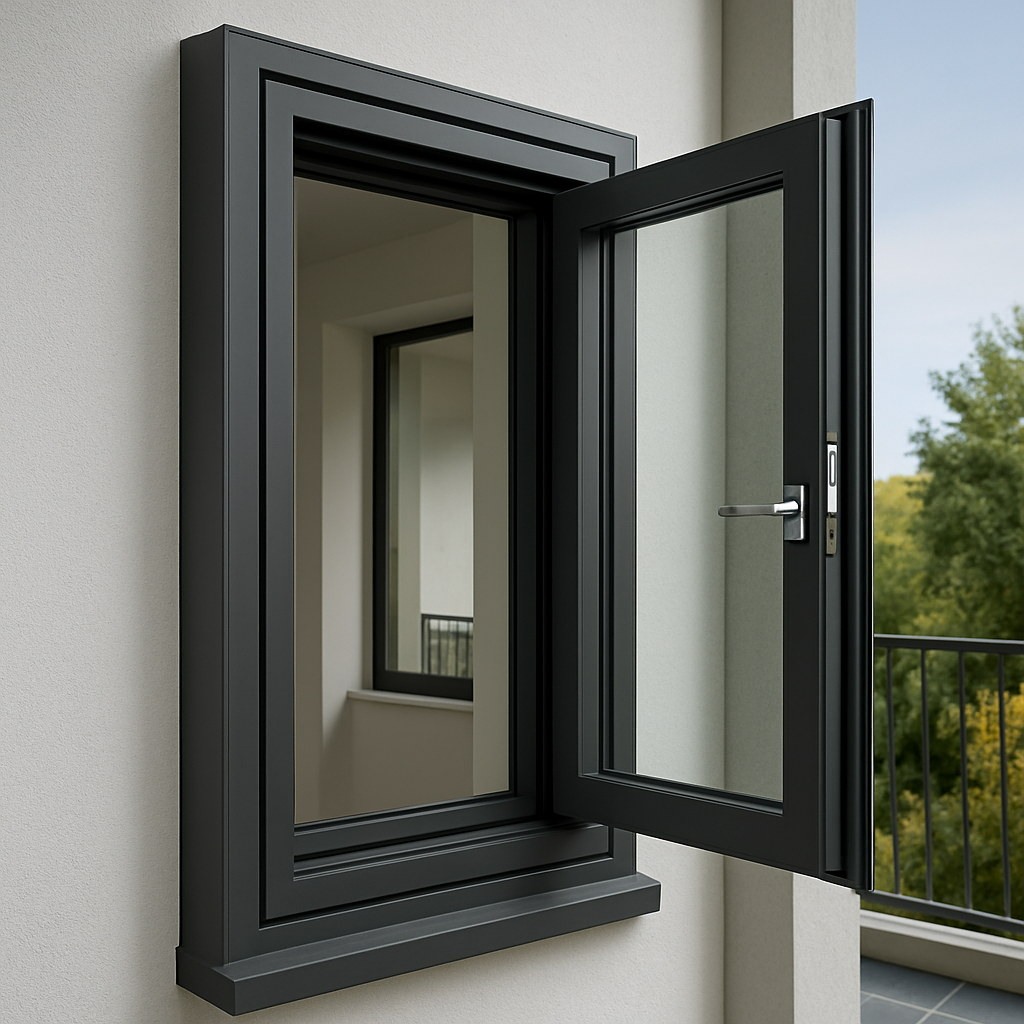
Construction Industry: In construction, materials need to be both durable and sustainable. Extal’s aluminum systems support green building initiatives while offering the robustness required for modern structures. This means buildings that are not only environmentally friendly but also built to last.
Industrial Manufacturing: For industrial applications, precision and reliability are paramount. Extal’s custom-engineered aluminum solutions meet these demands, ensuring high performance and reducing downtime. This results in more efficient manufacturing processes and higher-quality end products.
Applications and Impact
The advancements in aluminum extrusion have had a profound impact on multiple industries. In the automotive sector, lightweight aluminum components contribute to fuel efficiency and reduced emissions. The construction industry benefits from durable and aesthetically pleasing aluminum structures, while the defense sector relies on high-strength aluminum for critical applications. Extal’s products are integral to these industries, offering unmatched performance and reliability.
Conclusion
The evolution of aluminum extrusion techniques reflects the industry’s commitment to innovation and excellence. Extal’s expertise and technological advancements exemplify the potential of modern extrusion processes, setting new benchmarks for quality and performance. As the industry continues to evolve, Extal remains dedicated to pushing the boundaries of what is possible with aluminum, ensuring a future where advanced extrusion techniques play a pivotal role in shaping the modern world.