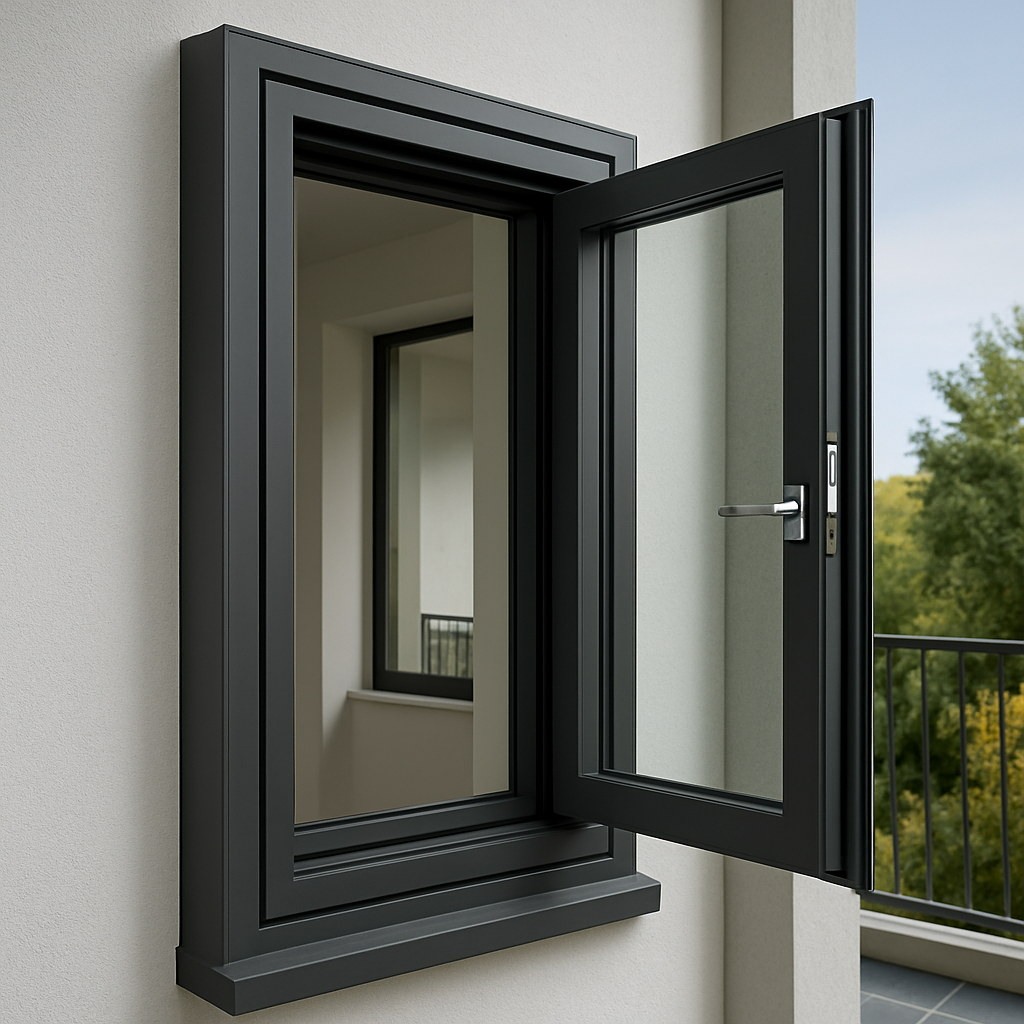
The system is built from two frontal shells of glass (mostly), which surround the entire building with an air gap between them. The double skin system increases the building’s energy efficiency, improves user comfort, and raises the quality of the internal environment while dealing with changing climate factors.
The outer layer of the double Skin is designed to protect the structure from external environmental factors such as wind, rain, and direct sunlight. It is usually made of reinforced glass, whose properties allow control of the passage of light and heat. Between the two envelopes, there is, as mentioned, an air gap whose width can range from a few centimeters to a few meters. The gap allows airflow, which helps cool the building in the summer and heat it in the winter – depending on the flow’s direction and the system’s design.
The inner shell provides thermal insulation and greater control over the building’s internal climate. It also enables acoustic sealing. Sometimes, the inner shell includes opening windows, which allow direct ventilation and contact with the outside.
The open and closed double skin curtain wall systems usually also include technological support systems such as sensors, automatic control mechanisms, and shading systems, which enable optimal control and adjustment of the environmental conditions inside the building and in the air space.
Each system – open or closed – has its advantages and disadvantages:
Double Skin is an open system
An open double-skin system is characterized by the ability of air to enter and leave freely from the middle (space) between the two envelopes. This feature allows a natural flow of air, contributes to the ventilation of the building, and reduces the need for artificial air conditioning systems, which results in energy savings.
When the hot air rises and the cold air falls, the building can exchange air without the need for artificial ventilation systems, further reducing energy consumption.
In winter, the system can heat the building using the heat trapped in the air space due to solar radiation. Solar energy reduces the need for artificial heating systems. In the summer, the system takes the heat out of the building through the air gap. So, both in winter and summer, the interior spaces can be heated or cooled with reduced use of electric air conditioning systems.
The air space also protects against air pollution and noise from the outside environment, allowing for a higher quality of life inside the building and reducing the need for artificial air filters.
Combined with smart building systems, the double skin system’s ventilation and control can be adjusted to environmental conditions and users’ specific requirements, optimizing energy use over time. By combining systems for storing solar energy and recycling gray water, buildings can be made energy-neutral.
The outstanding advantages of the open double skin system are improving energy performance through the use of natural air, greater flexibility in designing the facade, and maintaining high air quality inside the building. However, in extreme weather, performance can be less efficient, and installation and maintenance can be higher compared to standard systems.
Double Skin is a closed system.
The closed system of a double-skin curtain wall works according to a principle similar to the open system; here too, there are two frontal envelopes—one external and one internal. The external envelope protects the structure from external environmental factors, and the internal one insulates and controls the internal climate.
The main change in the closed system is that the air gap between the outer shell and the inner one remains closed, preventing the free flow of air from the outside. Instead, the air inside is heated or cooled using computerized systems.
In the winter, the heat trapped in the closed air space (from the sun’s radiation, for example) can heat the building, while in the summer, the system can use artificial cooling of the air in the space to cool the building.
Closed double-skin systems include automatic control systems that measure and respond to external and internal environmental conditions. Various sensors measure temperature, humidity, solar radiation levels, and air quality, and the system operates according to the measured changes. The increased control of the indoor climate enables energy savings by minimizing the need for artificial heating and cooling. The closed system also provides excellent thermal and acoustic insulation while protecting the structure from air pollution and external noise.
One notable disadvantage of the system is its higher cost than an open system. The closed system is also considered more restrictive from a design point of view due to the need for an airtight shell (dark windows), which requires more maintenance.
Both open and closed double skin systems offer innovative and efficient solutions for designing building facades, focusing on energy efficiency and sustainability. The open system allows for natural ventilation and reduces the need for artificial air conditioning, thanks to its ability to utilize natural air for cooling and heating the building. On the other hand, the closed system provides more precise control of the internal climate, which enables energy savings at a higher level by optimizing the environmental conditions within the air space. The choice between the methods depends on the project’s goals, the area’s climatic conditions, the functional and aesthetic requirements, and the available budget.
Both systems are considered significant breakthroughs in modern architecture because they successfully turn a vision of green and efficient design into an achievable reality.